- Have any questions?
- +234 706 220 5563
- +234 704 622 6901
- info@aermp.org
Risk Assessment Models
Risk Assessment Models
Tagline
Risk Assessment Models — Resource Library
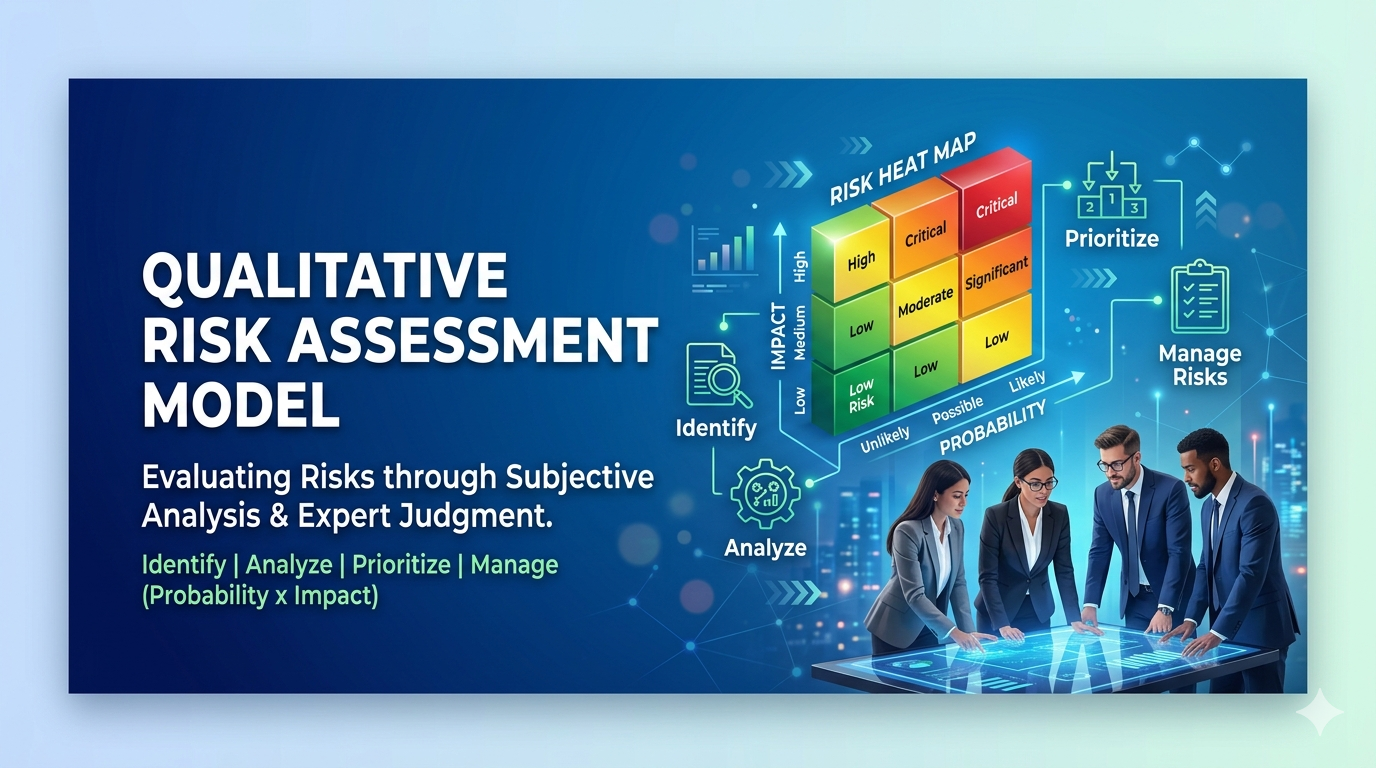
Qualitative Risk Assessment Model
A qualitative risk assessment model evaluates risks using descriptive categories like low, medium, and high rather than precise numbers, because apparently not everything in life can be reduced to a spreadsheet fantasy. It relies on expert judgment and predefined criteria to assess likelihood and impact, making it useful for prioritizing risks quickly when data is limited or uncertainty is high.
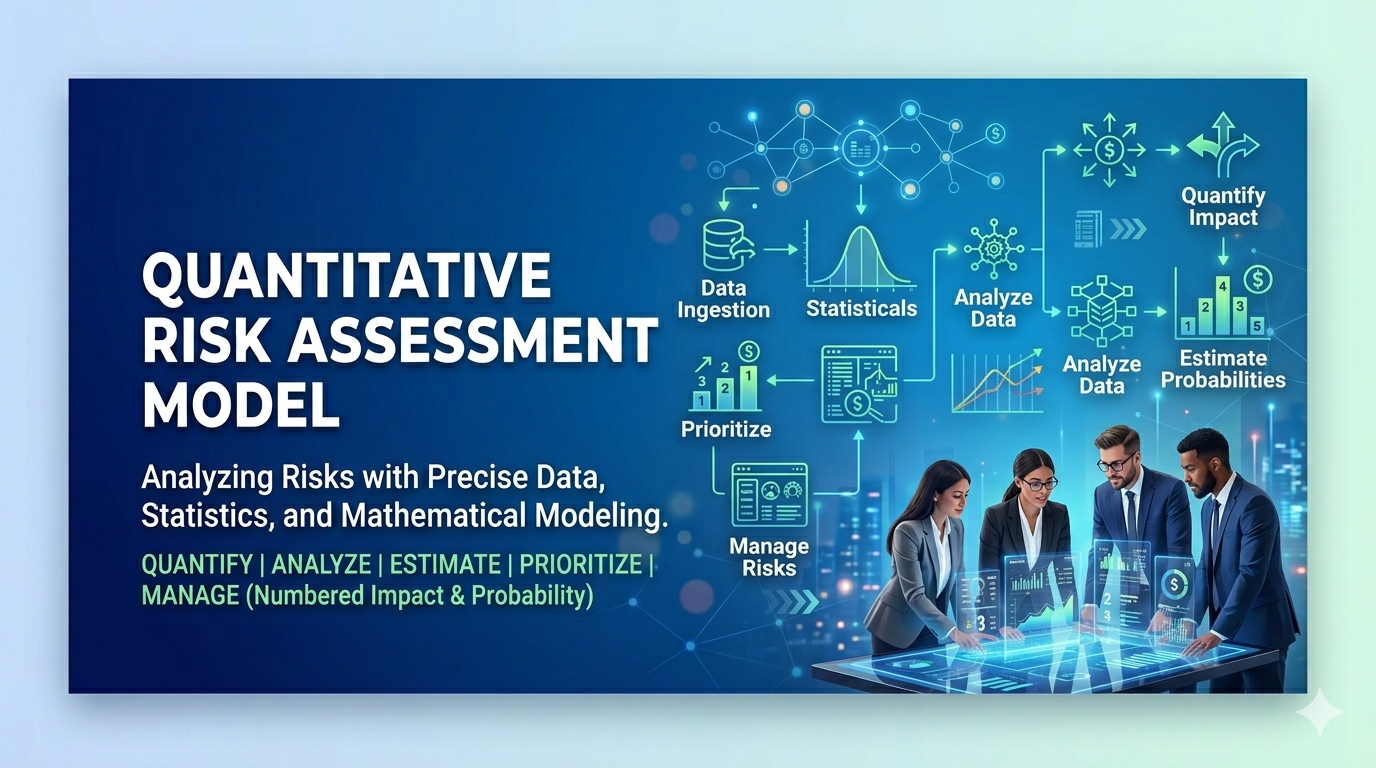
Quantitative Risk Assessment Model
A quantitative risk assessment model uses numerical data and statistical methods to measure risk in terms of probabilities and potential financial impact, turning uncertainty into something you can actually calculate instead of just labeling “high” and moving on with your day. It enables more precise decision-making by estimating expected losses, variability, and risk exposure, often using techniques like simulations, sensitivity analysis, or value-at-risk.
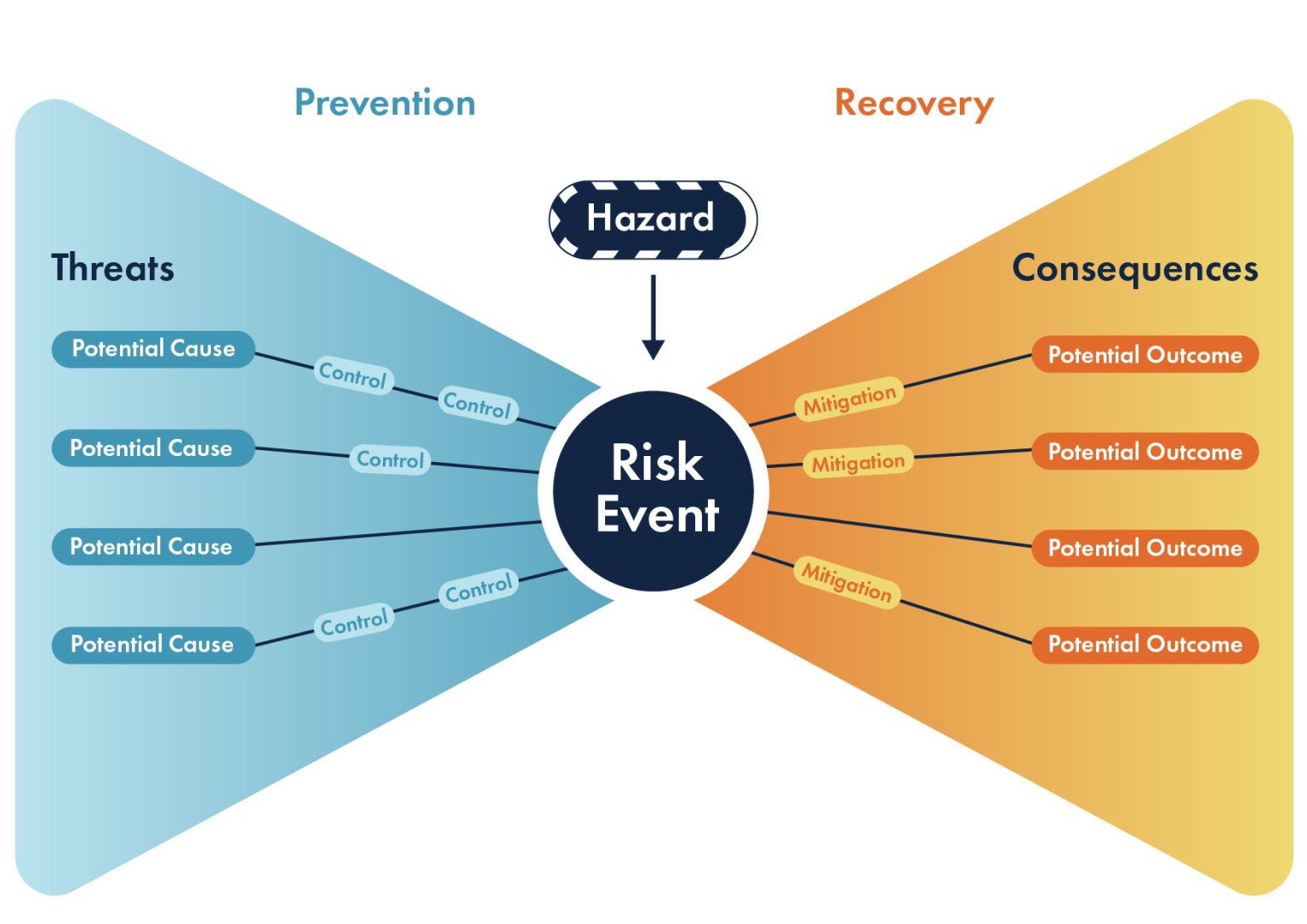
Bow-Tie Risk Analysis Model
The bow-tie risk assessment model is a visual risk analysis technique that links causes (threats), a central top event (loss of control of a hazard), and potential consequences, while mapping the preventive and mitigative barriers that stop or reduce the impact of an incident. It’s widely used to improve risk communication and clearly show how risks are managed through controls across both prevention and recovery stages.
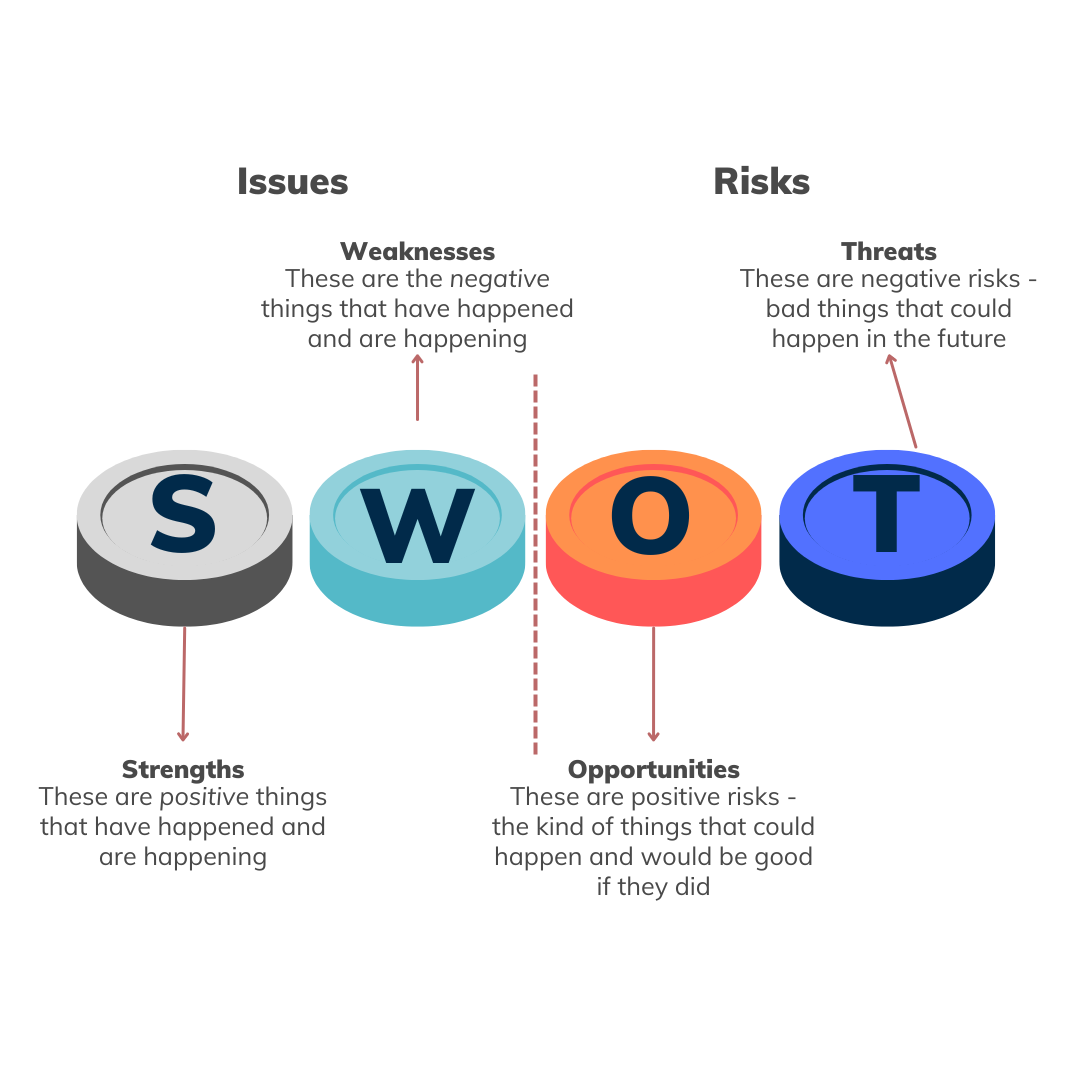
SWOT Risk Integration Model
The SWOT Analysis in Risk Management paper explains SWOT as a structured tool that evaluates an organization’s Strengths, Weaknesses, Opportunities, and Threats to support risk identification and strategic decision-making. It highlights that internal and external factors are used to understand risks early, prioritize them, and align mitigation actions with organizational objectives to improve resilience and planning effectiveness.
Need a Custom Tool or Framework?
AERMP's advisory team can develop bespoke risk tools and frameworks tailored to your organisation's specific context and industry requirements.