- Have any questions?
- +234 706 220 5563
- +234 704 622 6901
- info@aermp.org

Risk Appetite Frameworks
Risk Appetite Frameworks
Tagline
Risk Appetite Frameworks — Resource Library
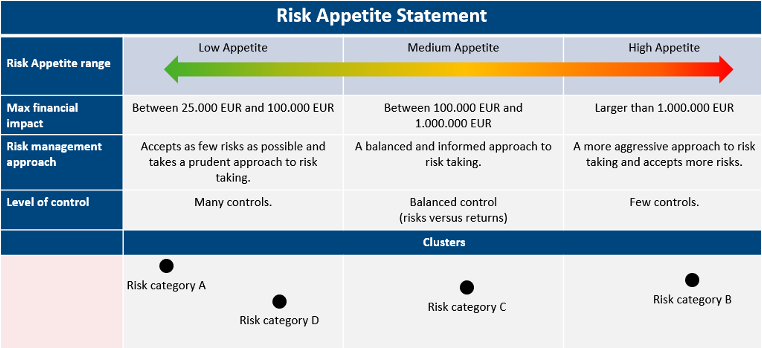
Risk Appetite Statement Template
The Comcover case study explains that risk appetite is the overall amount of risk an organization is willing to accept to achieve its objectives, while risk tolerance translates this into specific, measurable limits for individual risks or categories. It emphasizes that clearly defining both helps organizations make informed decisions, align risk-taking with strategy, and determine whether current risk exposure is acceptable.
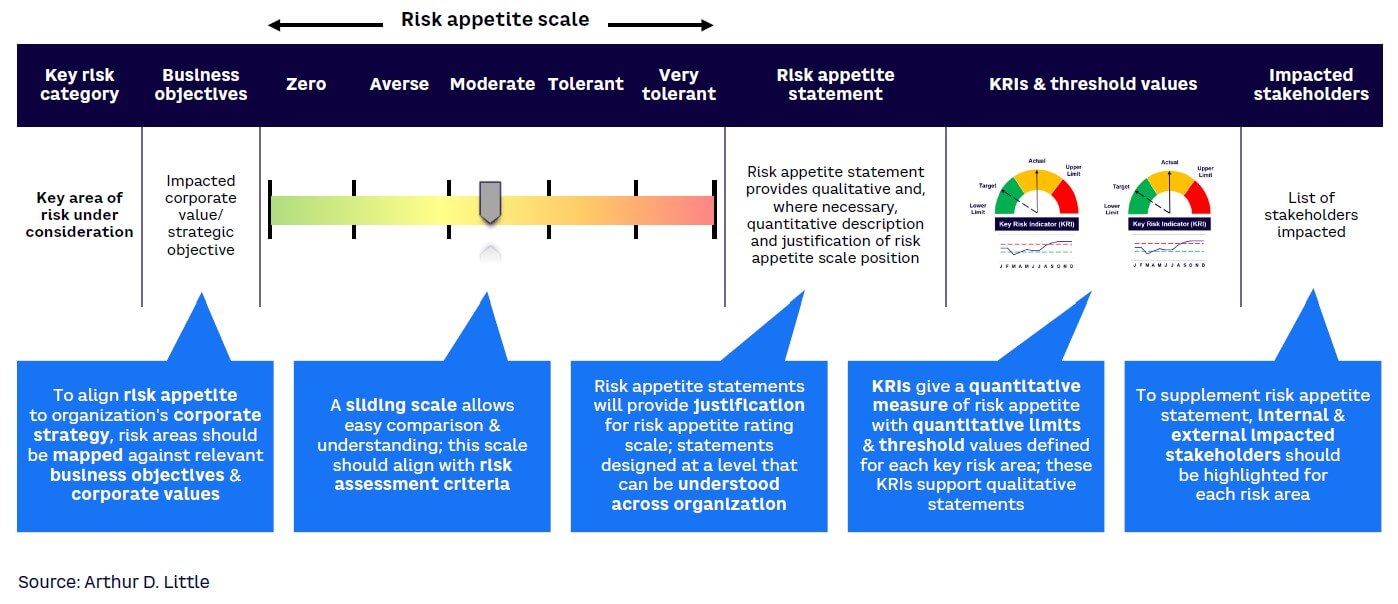
Risk Appetite Framework Document
This document from the Financial Stability Board outlines principles for building an effective risk appetite framework (RAF), defining how much risk a financial institution is willing to take in line with its strategy and capacity. It emphasizes the need for clear risk appetite statements, measurable risk limits, and strong governance roles to ensure risk-taking is controlled, communicated, and aligned with business objectives.
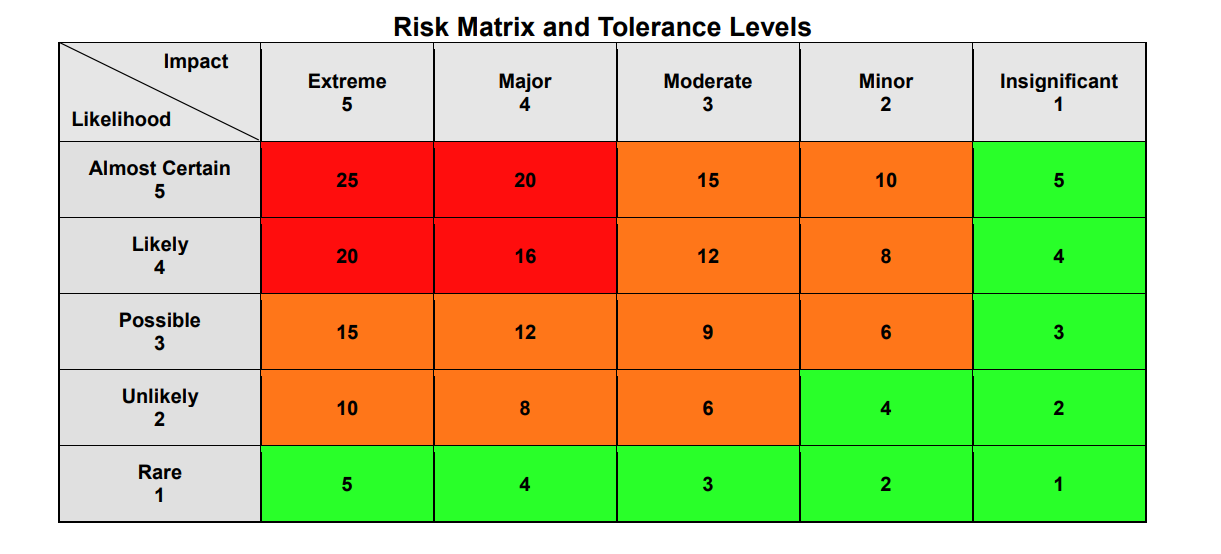
Risk Tolerance Threshold Matrix
This document outlines how an organization formally defines and manages its **risk appetite**, setting out the level and types of risk it is willing to accept across different areas of operation. It highlights the use of structured statements, scoring systems, and governance processes to guide decision-making and ensure risks stay within acceptable boundaries while still allowing objectives to be achieved.
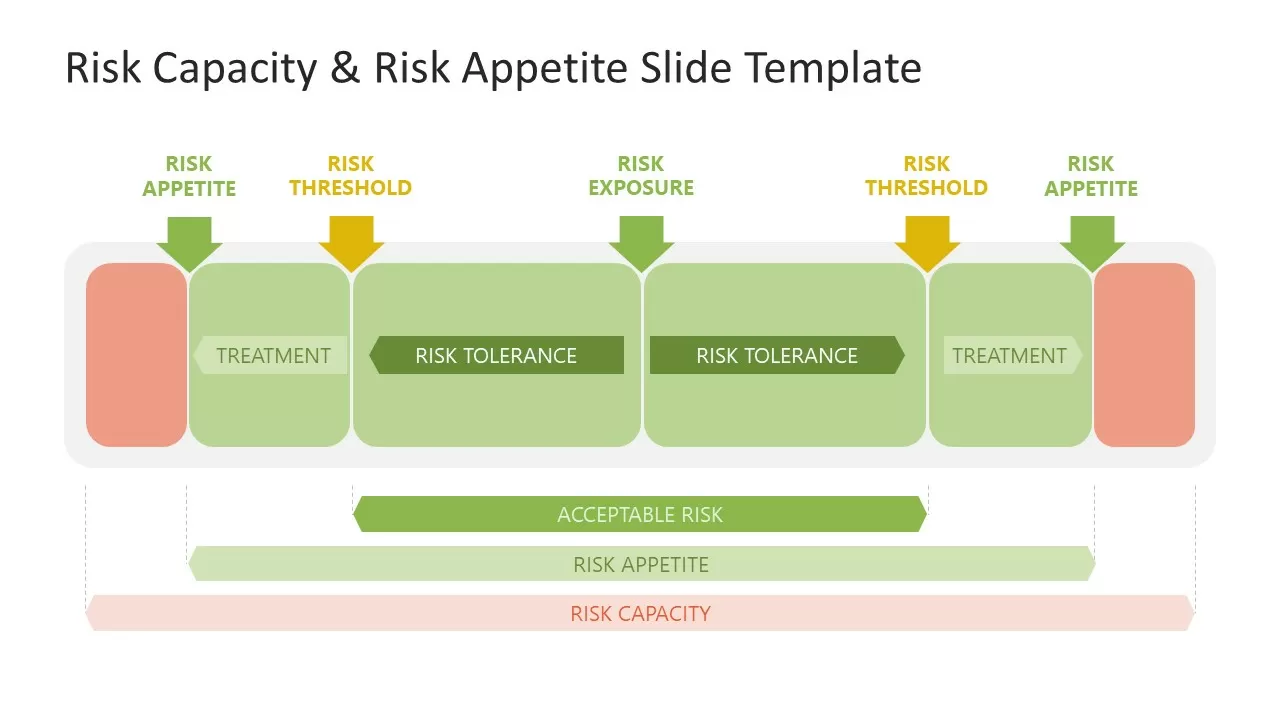
Risk Capacity Assessment Template
This template is part of the Gold Standard framework and is used to systematically assess project risks and the capacity to manage them, particularly in relation to delivering climate and sustainable development outcomes. It helps project developers identify, score, and mitigate risks that could affect the success or long-term impact of a project, ensuring transparency and credibility in impact reporting.
Need a Custom Tool or Framework?
AERMP's advisory team can develop bespoke risk tools and frameworks tailored to your organisation's specific context and industry requirements.